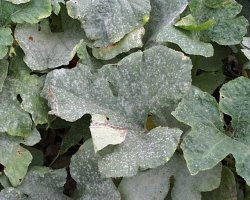
cherry Prunus avium - Rosaceae
DESCRIPTION: plant of Asian origin, popular in Europe since ancient times , The Cherry you can essentially split into two species  different: the sweet cherry fruit and Cherry a fruit acid. The sweet cherry in turn is divided into two categories: duracine and Tenerina. The duracine, also known as callosities, are plants of considerable technological development that could even reach 20 m in height, while Tenerina plants are smaller and slower growth. They both have large oval leaves, flowers are generally white. In duracine, the fruits are hard and crisp flesh that can be, depending on the variety, white, red or blackish. The Tenerina rather have the soft, juicy flesh is usually red or black. The sour cherry is also distinguished by other characters in three different categories: black cherries, wild cherries and morello. The cherry trees are not well developed with drooping branches and small leaves, the fruit is deep red with pulp and juice are clear. The cherries are used for the production of juices and syrups. The cherries have straight branches with large leaves, the fruits are bright red as the pulp and juice have a sweet taste so they are also used for fresh consumption and for production of jams. Finally, the morello plants that are small in size as well as leaves and fruits, which are used by industry for the production of liqueurs.
 different: the sweet cherry fruit and Cherry a fruit acid. The sweet cherry in turn is divided into two categories: duracine and Tenerina. The duracine, also known as callosities, are plants of considerable technological development that could even reach 20 m in height, while Tenerina plants are smaller and slower growth. They both have large oval leaves, flowers are generally white. In duracine, the fruits are hard and crisp flesh that can be, depending on the variety, white, red or blackish. The Tenerina rather have the soft, juicy flesh is usually red or black. The sour cherry is also distinguished by other characters in three different categories: black cherries, wild cherries and morello. The cherry trees are not well developed with drooping branches and small leaves, the fruit is deep red with pulp and juice are clear. The cherries are used for the production of juices and syrups. The cherries have straight branches with large leaves, the fruits are bright red as the pulp and juice have a sweet taste so they are also used for fresh consumption and for production of jams. Finally, the morello plants that are small in size as well as leaves and fruits, which are used by industry for the production of liqueurs.
 & PLUGS Stock: The rootstocks most used is the ex-nursery, which has a lot of development and the plant goes into production after 6-8 years. The French prefer loose soil, very deep and draining. Another portainnesti è il malebbo (prunus mahaleb), che da un ridotto sviluppo alla pianta e si adatta molto ai terreni più poveri, secchi e sassosi molto frequenti nelle zone collinari. Il malebbo rende la pianta meno longeva, ma anticipa la messa a frutto e ne esalta le qualità organolettiche.
IMPOLLINAMENTO: Moltissime varietà di Ciliegio dolce sono autoincompatibili, perciò è spesso necessario piantare almeno due o tre piante vicine di varietà diverse. Nel caso in cui non ci sia spazio per più piante, per favorire l'impollinazione è possibile sistemare vicino all'albero, durante la fioritura, un ramo tagliato purché; anch'esso fiorito, di una varietà diversa.
FERTILIZATION: As with many other plants, including the Cherry is recommended to use organic fertilizers such as manure or manure. To have abundant production of cherries can fertilize with large doses of nitrogen (excluding droughts) and slightly lower doses of phosphorus and potassium.
DISEASES: addition to the possible presence of mealybugs and aphids , cases have been reported to "fly cherries", which lays its eggs in the fruit, the larvae of the juicy pulp once ciberanno hatched eggs. Other fungal pathogens are the spots that produces Corineus on necrotic leaf tissues leaving them pitted, the rust striking the underside of the leaf blushing and quickly led to the fall and then the scab which can damage leaves flowers and fruits.

>>> THE RECIPE <<<
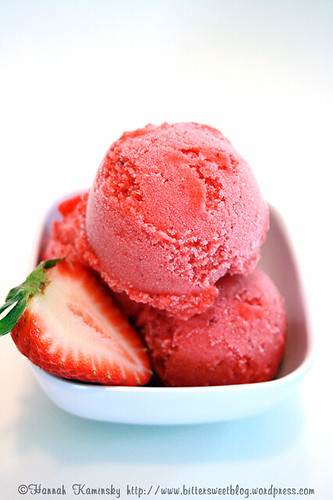
SORBET WITH CHERRIES
Recipe for 1 person, preparation for 10 min. c.ca (+ 3 hours sleep)
500 g cherries, 1 egg white, 2 glasses of champagne (200 ml).
cherries Prepare: Wash le ciliegie. Togliete il picciolo alle ciliegie e tagliate ogni ciliegia a
 pezzetti, togliendo il nocciolo. Mettetele nel frullatore e riducetele in purea. Aggiungete lo spumante e mescolate bene con un cucchiaio di legno.
 Incorporare l'albume: Mettete il composto di ciliegie e spumante in freezer 2 ore, mescolandolo ogni tanto con un cucchiaio di legno. Il composto deve gelare senza diventare completamente duro. Togliete dal frigorifero il composto e lavoratelo con un cucchiaio (5 minuti) o con la frusta elettrica (2 minuti). Deve ammorbidirsi, ma non diventare liquido. Sbattete l'albume a neve fermissima con la frusta a mano (10 minuti) o elettrica (5 minuti). Incorporate l'albume al composto di ciliegie e mettete still in freezer 1 hour. Serve.
APPROVED: + + + +
picture footage, so the sorbet at the end of this form will become thick and dense>
TEXT RECIPE: LYCOS.IT